Matcha Mania: Busting Common Myths About the Green Tea Everyone’s Posting
Let’s learn all we need to know about this beverage:
Misconception #1: The Brighter the Green, the Better the Matcha
Color can indicate quality—but not always. High-grade ceremonial matcha is usually a vivid, electric green due to specific shade-growing and processing methods. However, not all bright matcha is naturally high quality, and some low-grade matcha is artificially colored. Trust your taste and the source, not just the hue.

Misconception #2: Matcha Is Just a Trend
Matcha has been around for over 800 years. Originating from China and perfected in Japan, matcha has deep roots in Zen Buddhism and traditional Japanese tea ceremonies. While social media algorithms may have amplified its trendy aesthetic, matcha is far more than a fleeting fad—it’s a cultural and culinary staple with a centuries-long legacy.
Misconception #3: Matcha Has Less Caffeine Than Coffee, So It Won’t Affect Me
Matcha has less caffeine per serving than coffee, but it still packs an energetic punch. An average serving of matcha contains about 60–70mg of caffeine compared to coffee’s 90–100mg. However, because matcha naturally contains L-theanine (an amino acid that promotes calm focus and reduces physical jitters), the caffeine is released slowly into your system. This results in a smoother, more sustained energy boost—but that doesn’t mean you can guzzle it late at night without consequences!
Misconception #4: Matcha = Instagram Latte = Healthy
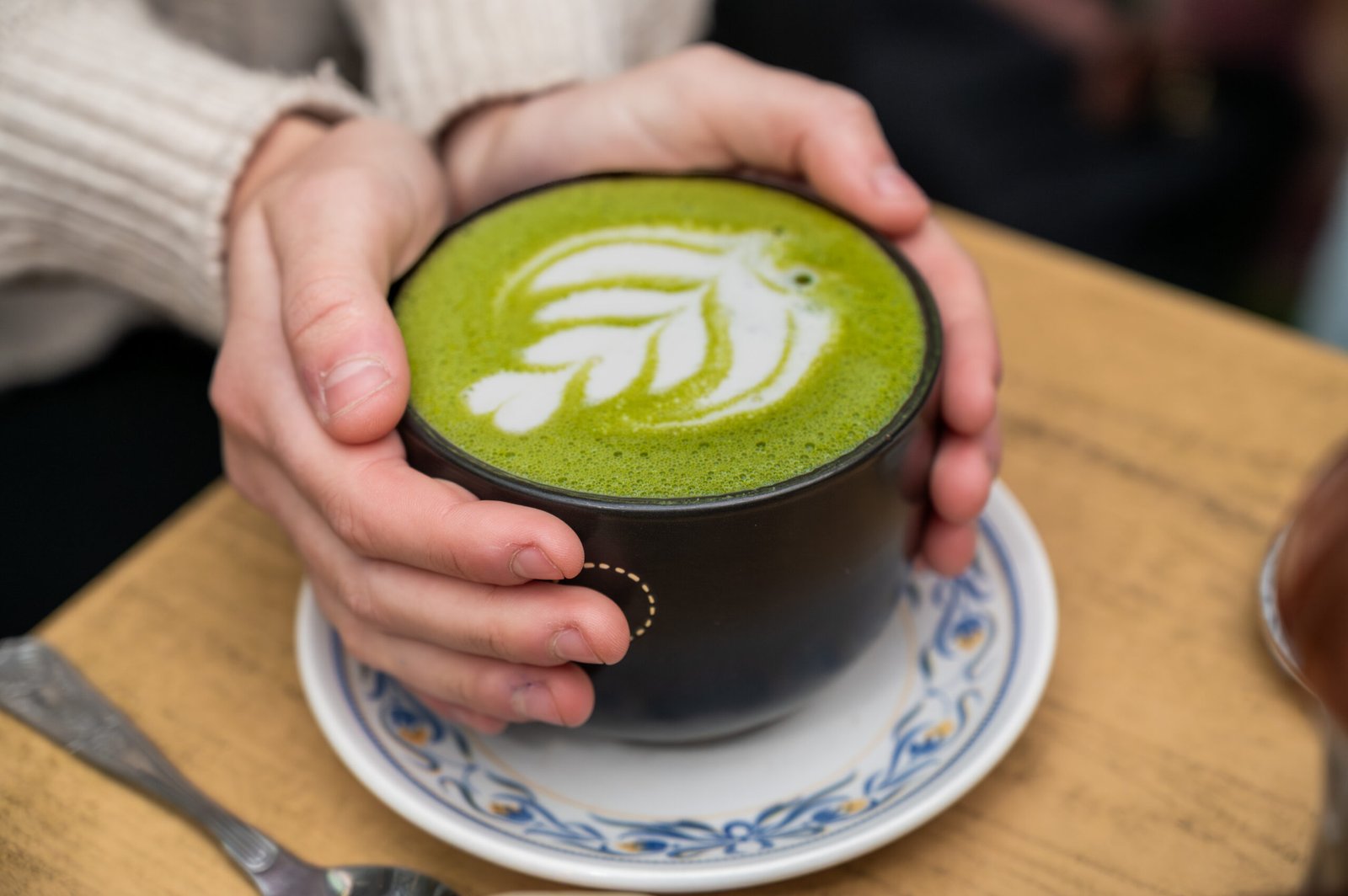
Not always. A commercial matcha latte from your favorite café chain might be heavily loaded with sugar, artificially flavored syrups, or low-quality culinary powders. While homemade lattes can be both delicious and incredibly healthy, many popular versions online are closer to a dessert than a wellness drink. Always check what’s actually in your cup before assuming it’s inherently healthy.

Misconception #5: Matcha Is a Miracle Superfood That Will Fix Everything
It’s incredibly healthy, but it isn’t magical. Matcha contains a powerful concentration of antioxidants—especially EGCG (epigallocatechin gallate)—as well as mood-boosting L-theanine. Together, they beautifully enhance mental alertness and focus. But while it’s a stellar addition to a balanced daily diet, it’s not a cure-all. It won’t melt fat overnight, instantly detox your liver, or permanently eliminate stress by itself (no matter what wellness influencers claim).
Misconception #6: Only Japanese Matcha is Worthwhile
While Japan is world-renowned for its matcha craftsmanship, exceptional high-quality matcha also comes from China. It’s true that Japan refined the artistic ceremony of modern matcha production and is home to famous growing regions like Uji and Nishio. However, China was actually the historical birthplace of powdered green tea. In recent years, premium Chinese tea producers have re-emerged with exceptional matcha made using both time-honored traditional and precise modern techniques.
The key is to look for complete transparency about sourcing, clean processing methods, and proper certifications—regardless of the origin country. Just like fine wine or artisan coffee, quality depends heavily on farming practices, microclimates, and processing rather than a border line. Some Chinese matcha beautifully rivals or even surpasses Japanese options in taste, color, and nutritional profile—often at a far more accessible price point.
So don’t write off Chinese matcha. A well-sourced farm might completely surprise your palate.
The Final Sip
Matcha thoroughly deserves its moment in the spotlight—but let’s make sure we’re celebrating it with knowledge, not just aesthetics. Whether you’re sipping it over ice in a latte, traditionally whisking it into a handmade chawan, or baking it into rich brownies, understanding the facts behind the froth makes every cup infinitely more meaningful.