Category: World of tea

  • Busting Common Myths About the Green Tea Everyone’s Posting
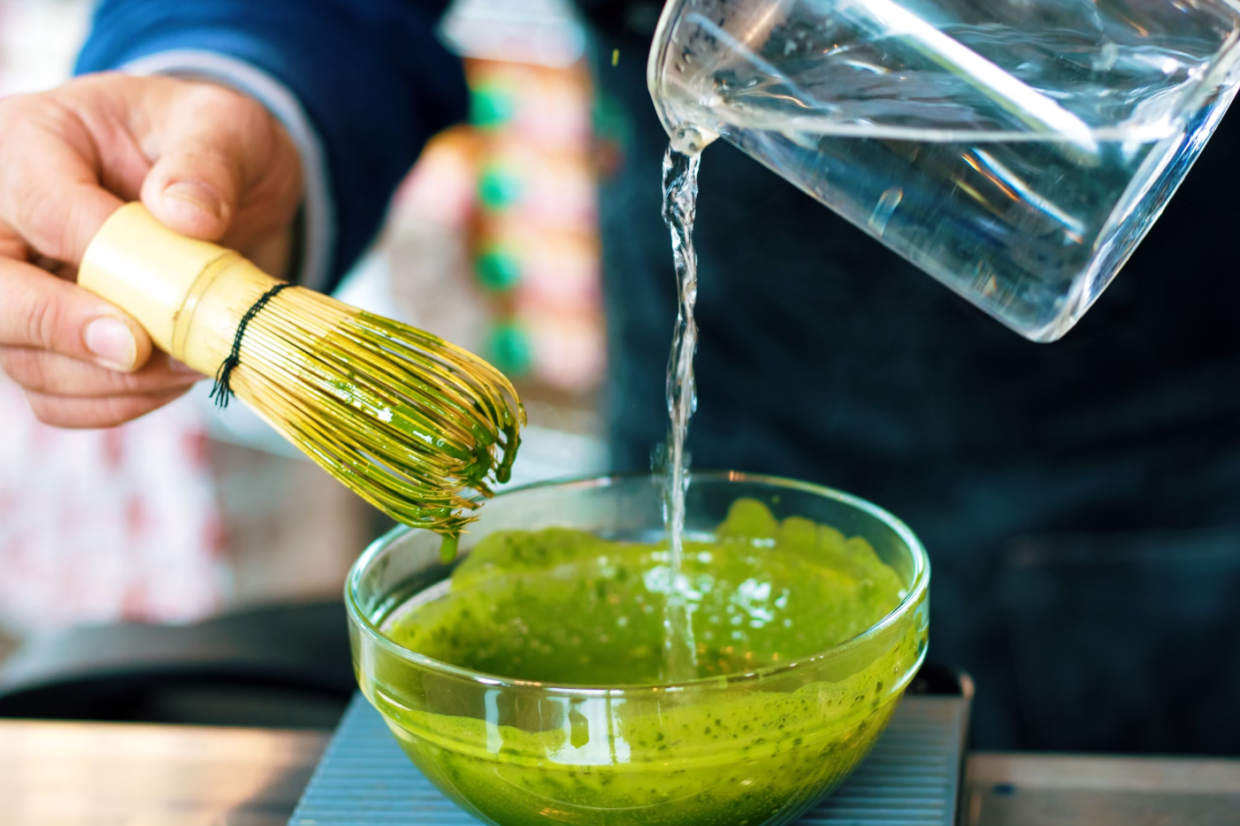
    Busting Common Myths About the Green Tea Everyone’s Posting

    Matcha Mania: Busting Common Myths About the Green Tea Everyone’s Posting

    ⏱️ 4 Min Read
    🍵 Tea Education

    Matcha Lifestyle Concept
    As matcha continues to trend across Instagram and TikTok feeds—usually in the form of artfully layered lattes in sunlit cafés—it’s easy to get caught up in the aesthetics and forget what matcha really is. But with popularity comes misinformation, and matcha is no exception. From wild health claims to brewing myths, let’s clear up some of the most common misconceptions about this vibrant green tea.

    Let’s learn all we need to know about this beverage:

    Misconception #1: The Brighter the Green, the Better the Matcha

    Reality

    Color can indicate quality—but not always. High-grade ceremonial matcha is usually a vivid, electric green due to specific shade-growing and processing methods. However, not all bright matcha is naturally high quality, and some low-grade matcha is artificially colored. Trust your taste and the source, not just the hue.

    Pro Tip: Ceremonial grade is best for pure whisking and sipping, while culinary grade is perfectly balanced for baking or lattes.
    Sifting fresh green matcha powder

    Misconception #2: Matcha Is Just a Trend

    Reality

    Matcha has been around for over 800 years. Originating from China and perfected in Japan, matcha has deep roots in Zen Buddhism and traditional Japanese tea ceremonies. While social media algorithms may have amplified its trendy aesthetic, matcha is far more than a fleeting fad—it’s a cultural and culinary staple with a centuries-long legacy.

    Misconception #3: Matcha Has Less Caffeine Than Coffee, So It Won’t Affect Me

    Reality

    Matcha has less caffeine per serving than coffee, but it still packs an energetic punch. An average serving of matcha contains about 60–70mg of caffeine compared to coffee’s 90–100mg. However, because matcha naturally contains L-theanine (an amino acid that promotes calm focus and reduces physical jitters), the caffeine is released slowly into your system. This results in a smoother, more sustained energy boost—but that doesn’t mean you can guzzle it late at night without consequences!

    Misconception #4: Matcha = Instagram Latte = Healthy

    Reality

    Not always. A commercial matcha latte from your favorite café chain might be heavily loaded with sugar, artificially flavored syrups, or low-quality culinary powders. While homemade lattes can be both delicious and incredibly healthy, many popular versions online are closer to a dessert than a wellness drink. Always check what’s actually in your cup before assuming it’s inherently healthy.

    ✨ Upgrade Your Latte Routine: Check out our recent recipe for Fresh Strawberry & Matcha on our Instagram and our monthly newsletter. Ditch the sugary commercial syrups and feel sustained energy for longer!
    Iced Strawberry Matcha Latte

    Misconception #5: Matcha Is a Miracle Superfood That Will Fix Everything

    Reality

    It’s incredibly healthy, but it isn’t magical. Matcha contains a powerful concentration of antioxidants—especially EGCG (epigallocatechin gallate)—as well as mood-boosting L-theanine. Together, they beautifully enhance mental alertness and focus. But while it’s a stellar addition to a balanced daily diet, it’s not a cure-all. It won’t melt fat overnight, instantly detox your liver, or permanently eliminate stress by itself (no matter what wellness influencers claim).

    Misconception #6: Only Japanese Matcha is Worthwhile

    Reality

    While Japan is world-renowned for its matcha craftsmanship, exceptional high-quality matcha also comes from China. It’s true that Japan refined the artistic ceremony of modern matcha production and is home to famous growing regions like Uji and Nishio. However, China was actually the historical birthplace of powdered green tea. In recent years, premium Chinese tea producers have re-emerged with exceptional matcha made using both time-honored traditional and precise modern techniques.

    The key is to look for complete transparency about sourcing, clean processing methods, and proper certifications—regardless of the origin country. Just like fine wine or artisan coffee, quality depends heavily on farming practices, microclimates, and processing rather than a border line. Some Chinese matcha beautifully rivals or even surpasses Japanese options in taste, color, and nutritional profile—often at a far more accessible price point.

    🛡️ Clean & Pure: For your absolute peace of mind, we rigorously test every single batch of Matcha we source for both pesticide residues and heavy metals! You don’t have to guess about your tea’s purity.

    So don’t write off Chinese matcha. A well-sourced farm might completely surprise your palate.

    The Final Sip

    Matcha thoroughly deserves its moment in the spotlight—but let’s make sure we’re celebrating it with knowledge, not just aesthetics. Whether you’re sipping it over ice in a latte, traditionally whisking it into a handmade chawan, or baking it into rich brownies, understanding the facts behind the froth makes every cup infinitely more meaningful.

    Solaris Organic Premium Matcha 100g
    Experience Pure Purity

    Organic Matcha Premium Culinary Grade (100g)

    Sourced transparently, rigorously lab-tested for heavy metals, and shade-grown to maximize natural L-theanine and vibrant green color. Elevate your morning tea ritual.

    Buy Premium Matcha Now

  • The Male – Sun Cycle

    The Male – Sun Cycle

    The Male Sun Cycle

    When we talk about a man’s ‘cycle’, we are talking about their testosterone cycle.

    The sun is metaphorically regarded as male because it has a 24-hour cycle. Due to the sun’s gravitational pull, all the planets in our solar system orbit around it.

    This echoes the 24-hour hormonal cycle in men. Men actually experience a full testosterone cycle every 24 hours, with peaks and troughs in testosterone levels during this time which affect mood, attitudes and behaviour.

    In the morning, testosterone is generally at its highest, waning in the afternoon, and becoming lowest at night, much like the daylight. This essentially means that they are perfectly in sync with the standard workday. Their hormones keep them energetic, talkative, and focused so that they are ready to have a productive day.

    Tips on how you might best optimise your 24 hour testosterone sun cycle:

    In the morning:

    During the morning testosterone levels peak. Whilst this varies with the individual man might be more talkative, energetic & focused.

    It’s a great time to:

    • Delve into a project or task alone

    • Tackle a DIY task that’s been waiting to be finished

    • Brainstorm solutions for a new project

    • Give yourself the time to enjoy making love

    • Avoid excess criticism or tackling tricky subjects at this time.

    Around Midday:

    You might be feeling a bit more chilled out than in the morning – but there’s still some energy left in there!

    At this time, men are often still upbeat and often more focused, but you might not get as hot under the collar 😉

    This is a great time to get some teamwork work done.

    Great time to:

    • Have your team meet or brainstorming/ planning  session

    • Having meetings with customers or clients

    • Go for a romantic or lunch date

    • In the evening, testosterone has well and truly dropped, you might feel more low-key, amiable and mellow.

    • It’s a great time to receive suggestions, as men are much more likely to be open to it. At this point, men’s libido is at its lowest.

    This is the time to:

    • Do relaxing activities such as watching a film or reading

    • Enjoy some affectionate cuddling

    • Enjoy some Downtime

    Various factors may cause lowered testosterone levels in men and can cause hormonal imbalances: including age, type II diabetes, obesity, lack of sleep and stress.

    Foods and tips to balance testosterone levels:

    To increase and balance testosterone levels –

    • Eat pumpkin seeds which are rich in zinc a mineral crucial for testosterone production

    • Damiana herb – great herb for relaxing and improving libido

    • Panax Ginseng – energising herb that improves physical and mental performance in times of stress

    To reduce stress and improve sleep:

    • Take up a mindfulness practise

    • Exercise regularly

    • Spend time in nature and in water

    To cleanse the liver and relieve the body of excess heat / anger:

    • Milk thistle – Cleanses the liver and regenerates liver cells

    • Dandelion root – Cleansing and helps to keep the bowels open

    • Hydrate adequately – A lot of research shows the beneficial effect of adequate hydration on focus, productivity and creativity as well as general wellness.


    Reflections on working with the sun and the moon cycle that best suits our individual needs:

    The standard workday and job require people to have a sustained level of energy every day, which just so happens to work seamlessly with the male hormone cycle. Women’s bodies are not as aligned with the way society has been constructed, which is not unexpected since much of the world is designed by men, for men. In essence both the moon and the sun’s cycles represent crucial aspects of healthy living. Having an awareness of how men and women alike can harness these natural patterns of productivity, creativity, pause and regeneration; give wonderful insights into how we can live our best lives mindfully without burning the candle at both ends. Seeing as both men and women have varying aspects of feminine and masculine principles within them – there will be times in our lives and days where we will naturally be more drawn to one or the other rhythms. Many times we will do best when we use a fusion of both. Mindfulness Tip: practise awareness of each other’s cycles and rhythms. Pause and listen and hear each other out and how your needs might be met. Try: taking a course in ‘nonviolent communication’. Most importantly: stop to pause, breathe and listen deeply to the needs of our own body and soul.

    Dandelion’s health benefits make it a valuable addition to many wellness routines.


    Buy Now

    This enlivening blend, stimulates and motivates us into action.


    Buy Now

    Historically, people have used milk thistle for liver disorders & gallbladder problems


    Buy Now

  • Matcha 101 – All you ever want to know about Matcha
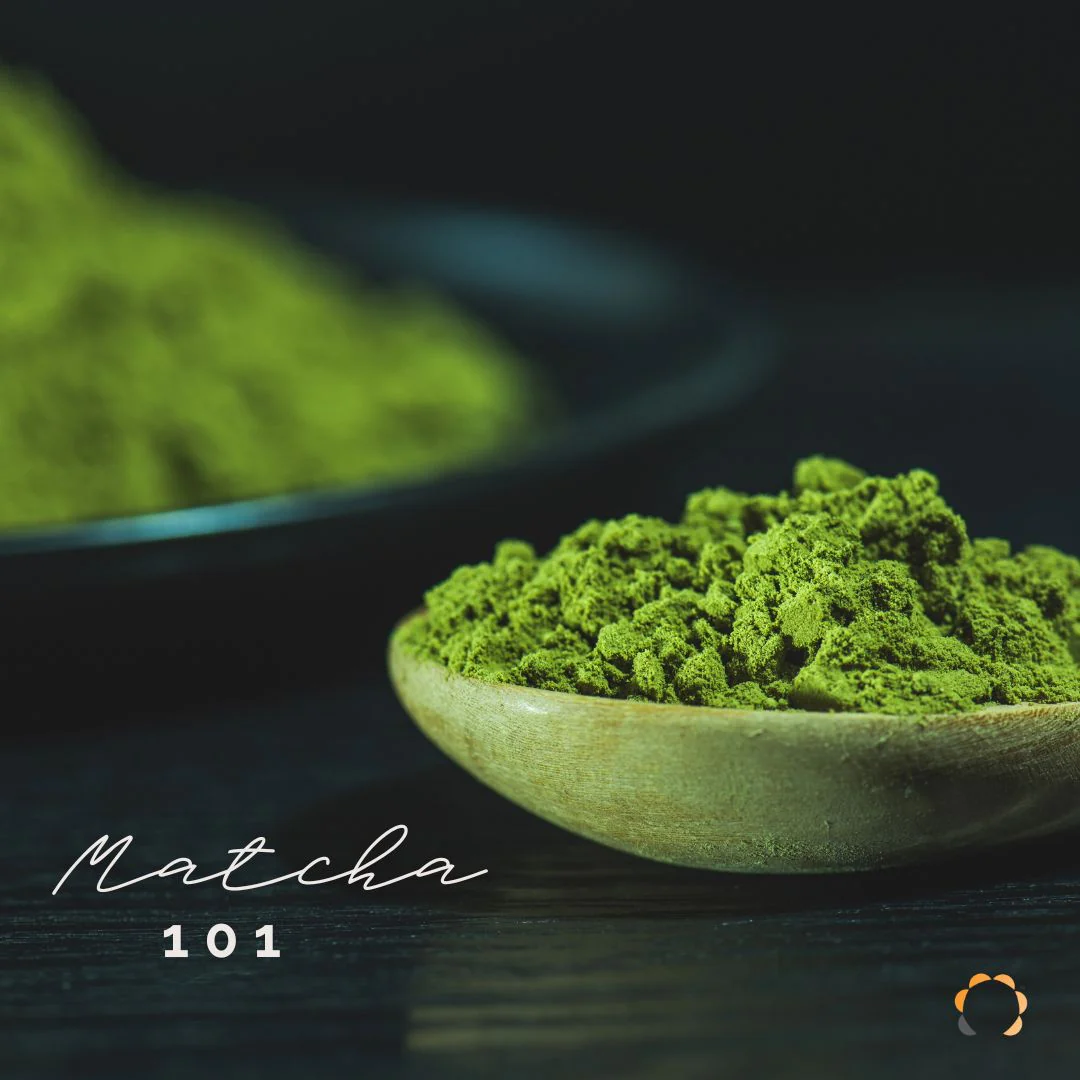
    Matcha 101 – All you ever want to know about Matcha

    High in antioxidants and rich in fibres and vitamins, Matcha is the result of an artisanal process in which the young shoots of the Camellia sinensis – the plant that gives rise to tea – are reduced to a fine powder in a stone mill.

    The drink, much appreciated in Japan, has a bright green colour, the result of shading the leaves to accelerate the production of chlorophyll. The result is a tea with a unique flavour and an explosion of properties that are good for your health.

    Let’s learn all we need to know about this beverage:

    What is Matcha?

    Matcha is a green tea with a very different characteristic from other green teas in leaf form: it is a ground green tea, which becomes a very fine powder, finer than talc.

    It is necessary to mix the tea powder with water and then beat it until it is completely dissolved before consuming it.

    In this way, when we consume it, we absorb much higher amounts of the health enhancing compounds of ”Green Tea”, than when we consume traditionally ‘brewed’ green tea leaves.

    This explains one of the main reasons why Matcha has a much higher concentration of the various substances found in green teas, such as a high concentration of antioxidants.

    Compared to other foods very well-known to be rich in this substance, for example, broccoli, nuts, red wine, and açai, Matcha has the highest concentration of antioxidants, and these compounds bring us many health benefits, as we will see below.

    What are the benefits of Matcha?

    Teas have long been revered for their numerous benefits to our physical and mental health.

    Studies show that regular consumption of all types of teas can bring us great benefits for our health, whether physical or mental.

    In this regard, Matcha has a clear advantage.

    Matcha is a delicious and very versatile tea, having become a popularised and very well known ingredient in gastronomy and cocktail culture.

    But did you know that regularly consuming it can also be great for your health?

    As we mentioned earlier, it is composed of a very fine powder, the result of grinding the green tea leaves, which therefore needs to be dissolved in water to be enjoyed.

    For this reason, unlike other teas, when we consume Matcha we are ingesting all the components present, that is, all the positive, health boosting compounds present  in the leaves. This makes it very different to traditional green tea, where only the water-soluble compounds are infused into your cup of tea.

    Regularly consuming this Matcha tea can bring us numerous benefits for our health.

    Check them out here:

    High in catechins- an antioxidant which helps fight ‘free radicals’, which are the substances that promote ageing and degradation of the cells;

    In matcha, there is a high concentration of catechins, a plant compound which acts as antioxidants, they protect cells from free radicals, which may damage cells and cause chronic diseases.

    When you add matcha powder to hot (not boiling)water to make tea, the tea contains all the nutrients from the entire leaf. It will tend to have more catechins and antioxidants than simply steeping green tea leaves in water.

    It is stimulating but calming

    Matcha also contains L-theanine, a kind of cousin of caffeine. The L-theanine in tea, unlike caffeine in coffee, is released gradually in the body over about four hours.

    In the case of Matcha, the release time is even longer, for about six hours, and without an increase in blood pressure or heart rate. It therefore provides vitality and mental clarity and concentration lasting for a long period. Boosting intellectual performance and concentration without the acceleration and ‘crash’ associated with caffeine.

    It is ultra healthy

    In addition to the antioxidant power of green tea, which neutralizes the action of free radicals, Matcha is high in vitamins, regulates cholesterol levels, improves blood circulation and metabolism.

    It might help you in weight loss

    Drinking matcha is perfect for those who want to eliminate a few pounds.
    Matcha has almost no calories. Additionally, it is a great way to boost your metabolism and eliminate toxins from your body, helping you to lose weight.

    Matcha can also optimise calorie consumption by as much as 25% during exercise. This is due to Matcha’s thermogenic action, which makes it easier for your body to burn fat along with your calories.

    Does Matcha have caffeine?

    One of the questions I always hear in courses about Matcha is if it contains caffeine or not, or if it has ‘theine’ or not.

    Matcha contains ‘theine’, a kind of cousin of caffeine. Theine and caffeine are the same molecule, but metabolized differently in the body. The theine in tea, unlike the caffeine in coffee, is released gradually in the body over about four hours.

    In the case of Matcha, the release time is even longer, for about six hours, and without an increase in blood pressure or heart rate.

    Is there a ritual to its preparation?

    In its traditional form, the preparation of this tea powder requires the use of the utensils that are used during the Japanese tea ceremony.

    There are specific utensils for the tea ceremony, which must be very clean, or even sterilized. The tea itself, for example, is in a kettle, but there is also a proper bowl (called chawan), a bamboo whisk (chasen), a silk scarf (fukusa) and a spatula for serving tea (chashaku). This is just to name a few of the utensils!

    If you are wondering what the scarf is for: it is used to purify all the objects that will be used in the preparation of tea.

    With the help of these specific utensils, we guarantee a very homogeneous drink with a thick layer of foam on the surface.

    The Tea Ceremony: Wa, kei sei and jaku.
    Harmony, respect, purity and tranquillity

    In fact the traditional and sacred tea ceremony is so much more than simply serving a refreshing drink!

    It represents four values: harmony (wa), respect (kei), purity (sei) and tranquillity (jaku).

    All of them relate to the presence of the guest, since the ceremony is always performed for another person, and never for oneself.

    Harmony, for example, has to do with the healthy relationship between the guest and the host, while respect is related to the ability to understand the other.

    Purity speaks not only to the cleanliness of the utensils, but also to the feeling of peace during the ceremony.

    Finally, we have Tranquility, which is the feeling achieved by having put the other values into practice.

    If you don’t have one yet, you can get a bamboo whisk in our online shop or prepare your Matcha modern style.

    To do this you can mix your matcha in any container of your choice with water using a fork, whisk or blender, for example.

    Matcha can be drunk hot or cold.

    How to prepare your Matcha?

    • Place one measure of Matcha in the bowl.
    • Add 50ml of hot water (minimum 80 degrees).
    • Stir slowly with the bamboo whisk until the powder is dissolved.
    • At the end, whisk vigorously until foamy.
    • Add 80 ml to 100 ml of hot water (minimum 80 degrees) to complete.

    And here it is worth mentioning another quality of Matcha: the yield.

    Because it is quite concentrated, it yields 150 ml of tea with just one measure – or 1.5g – of green powder.

    How to store Matcha

    It is recommended to keep it in a cool, dark place- protected from light, humidity and high temperatures.

  • Pregnancy Tea? Learn a bit more about it!

    Pregnancy Tea? Learn a bit more about it!

    From the moment a woman finds out that she is pregnant, she instinctively pays much more attention to the foods she consumes, medicines she takes and anything we put into or onto our body.

    Our sense of smell and taste becomes heightened, and our instincts are tuned to protect ourselves and our babies.

    As such our own bodies become and always are our best guide to let us know what’s good for us or not!

    The one thing I tell women and their partners again and again when it comes to their bs h and their changing bodies – Trust yourself! You’re generally right even if you can’t put your finger on it.

    For this reason, many pregnant women turn to body care products during pregnancy that are free from colours, artificial perfumes and chemicals. Similarly, we are often conscious to eat fresh unprocessed foods and use gentle natural remedies when treating minor health complaints.

    Even here it is important to note that especially in the first three months of pregnancy when many of the major organs of the baby are forming and the placenta is growing healthy and strong, use any medicines or supplements, whether conventional or herbal with caution.

    Thankfully there are many that are perfectly safe to take, but if in doubt check in with your registered Herbalist, GP or Midwife to make sure.

    Natural does not always equate to safe, and some components found in plants have powerful actions, which means they behave like medicines.

    Saying that, it is important to say that in the field of herbal medicine, most water based herbal ‘teas’ or infusions, are among the safest remedies in the nine months of pregnancy.

    Due to its polyphenol content, tea is beneficial for a pregnant woman’s body since they play a key role in the prevention of cardiovascular diseases, diabetes and even obesity, while also acting as anti-inflammatory substances in certain processes.

    Drinking a cup of relevant herbal tea first thing in the morning can help you to improve your day by relaxing your body and calming your mind. In addition. Herbal infusions can be an alternative to drinking water, which will help maintain adequate hydration and at the same time provide nutrients that will be easily absorbed by the body.

    We will discuss below some herbs that are generally considered safe for pregnant women, but we recommend talking to your herbalist, doctor or midwife before taking them if you have any concerns to their suitability for you personally.

    Herbal Infusions suitable for pregnant women and their benefits

    Thyme tea

    One of the best infusions during pregnancy is thyme tea. Because of its ability to relieve nasal congestion, this tea is very suitable for women with flu or sinusitis who cannot take medication.

    Peppermint tea

    To avoid motion sickness during the first trimester of pregnancy, it is recommended to drink mint tea, which helps reduce symptoms and restore appetite.It is also great for headaches.

    Check out our selection of tailored herbal teas by Solaris  for pregnancy:

    Fresh Bloom

    The hormonal and physical changes and even anxieties linked to the 2nd and third trimester of pregnancy can make sleeping something to only dream off!

    Our Fresh Bloom Tea is a light and floral infusion with sweet, honey-like notes and a bright golden hue. It combines calming Chamomile, Rose and Lime Flower with soothing Oat Straw and Fennel. Deeply soothing and calming, this tea is ‘A Hug in a Cup’ for all the family, and it’s safe for drinking during pregnancy and breastfeeding.

    Full Bloom

    A nourishing and balancing tea for the Third Trimester ‘Full Bloom’ is a vibrant, green infusion with a light fruity flavour and floral top notes. Combining nourishing Raspberry Leaf and earthy Nettle, this tea uplifts and calms with Chamomile, Rose and Lemon Balm.
    Raspberry leaves have a long history of use in many traditions. Nettles or ‘Néantog’ abound in Irish folklore for nourishing and replenishing.

    How about Black/Green Tea?
    Can I drink tea with theine if I am pregnant?

    Although theine-containing teas are not prohibited, as with coffee, it is advisable not to overdo it. Some teas can interfere with the absorption of iron and calcium, increasing the risk of anaemia when consumed in excess.

    Green tea is safe to consume. Antioxidants in this tea help protect DNA and promote a healthy baby’s development. White tea and Jasmine tea are also safe to drink during your pregnancy.

    On the other hand, red tea, black tea, and mate tea should be avoided.

    Some guidelines about teas and infusions during pregnancy

    • Infusions should not be drunk more than twice a day. Some experts recommend limiting the number of cups per week to 4 to 5.
    • Prefer teas without theine.
    • Prefer organic teas
    • Avoid any side effects by drinking different types of tea rather than always the same one.
    • Discard teas that have properties that stimulate the uterus, for example aniseed, rosemary, pennyroyal and nettle.
    • Before mixing different herbs, check their composition and consult a medical herbalist if in doubt.

    Teas that should be avoided during pregnancy

    Theine or stimulating teas should not be consumed during pregnancy along with those whose composition may release harmful or toxic substances for the baby.

    Some teas and herbs to avoid during pregnancy are:

    • Aloe vera
    • Dandelion
    • Artemisia
    • Marigold
    • Ginseng
    • Wormwood (avoid also during breastfeeding)
    • Eucalyptus
    • Gingko biloba (also avoid while breastfeeding)
    Karin Müller Karin Müller is co-owner of Solaris tea and has been working in the field of wellness and health for over 20 years now.

    She is a Medical Herbalist (BSc Hons), practising Midwife (BSc Hons), Massage and Spa therapist and experienced course facilitator and teacher on a wide range of topics related to mindfulness, meditation and women’s health.

    She is currently also studying in the ‘Medicine of Light’ school to deepen her spiritual practise.

    𝘈𝘭𝘭 𝘤𝘰𝘯𝘵𝘦𝘯𝘵 𝘧𝘰𝘶𝘯𝘥 𝘰𝘯 𝘵𝘩𝘦 𝘚𝘰𝘭𝘢𝘳𝘪𝘴 𝘵𝘦𝘢 𝘸𝘦𝘣𝘴𝘪𝘵𝘦 𝘢𝘯𝘥 𝘴𝘰𝘤𝘪𝘢𝘭 𝘮𝘦𝘥𝘪𝘢, 𝘪𝘯𝘤𝘭𝘶𝘥𝘪𝘯𝘨: 𝘵𝘦𝘹𝘵, 𝘪𝘮𝘢𝘨𝘦𝘴, 𝘢𝘶𝘥𝘪𝘰, 𝘰𝘳 𝘰𝘵𝘩𝘦𝘳 𝘧𝘰𝘳𝘮𝘢𝘵𝘴 𝘸𝘦𝘳𝘦 𝘤𝘳𝘦𝘢𝘵𝘦𝘥 𝘧𝘰𝘳 𝘪𝘯𝘧𝘰𝘳𝘮𝘢𝘵𝘪𝘰𝘯𝘢𝘭 𝘱𝘶𝘳𝘱𝘰𝘴𝘦𝘴 𝘰𝘯𝘭𝘺. 𝘛𝘩𝘦 𝘊𝘰𝘯𝘵𝘦𝘯𝘵 𝘪𝘴 𝘯𝘰𝘵 𝘪𝘯𝘵𝘦𝘯𝘥𝘦𝘥 𝘵𝘰 𝘣𝘦 𝘢 𝘴𝘶𝘣𝘴𝘵𝘪𝘵𝘶𝘵𝘦 𝘧𝘰𝘳 𝘱𝘳𝘰𝘧𝘦𝘴𝘴𝘪𝘰𝘯𝘢𝘭 𝘮𝘦𝘥𝘪𝘤𝘢𝘭 𝘢𝘥𝘷𝘪𝘤𝘦, 𝘥𝘪𝘢𝘨𝘯𝘰𝘴𝘪𝘴, 𝘰𝘳 𝘵𝘳𝘦𝘢𝘵𝘮𝘦𝘯𝘵. 𝘈𝘭𝘸𝘢𝘺𝘴 𝘴𝘦𝘦𝘬 𝘵𝘩𝘦 𝘢𝘥𝘷𝘪𝘤𝘦 𝘰𝘧 𝘺𝘰𝘶𝘳 𝘱𝘩𝘺𝘴𝘪𝘤𝘪𝘢𝘯 𝘰𝘳 𝘰𝘵𝘩𝘦𝘳 𝘲𝘶𝘢𝘭𝘪𝘧𝘪𝘦𝘥 𝘩𝘦𝘢𝘭𝘵𝘩 𝘱𝘳𝘰𝘷𝘪𝘥𝘦𝘳 𝘸𝘪𝘵𝘩 𝘢𝘯𝘺 𝘲𝘶𝘦𝘴𝘵𝘪𝘰𝘯𝘴 𝘺𝘰𝘶 𝘮𝘢𝘺 𝘩𝘢𝘷𝘦 𝘳𝘦𝘨𝘢𝘳𝘥𝘪𝘯𝘨 𝘢 𝘮𝘦𝘥𝘪𝘤𝘢𝘭 𝘤𝘰𝘯𝘥𝘪𝘵𝘪𝘰𝘯.


  • The History of Tea

    The History of Tea

    Europe

    While tea was at a high level of development in both Japan and China, information concerning this unknown beverage only began to filter back to Europe by Arabs via Venetians in the 10th century. Venice was beginning to prosper in the trade with the East and by the early part of the 13th century it enjoyed a monopoly of trade with the region. Part of Venice’s great wealth came from trading in the spices of the East, which it obtained in Alexandria and sold to northern and western European buyers. But it was in 1559 that the earliest mention of tea is made in the book ‘Delle Navigatione et Viaggi (Voyages and Travels) by Giambattista Ramusio (1485-1557) where it appears as “Chai Catai'(Tea of China). Earlier caravan leaders had mentioned tea, but were unclear as to its service format or appearance (One reference suggests the leaves be boiled, salted, buttered, and eaten!).

    Great Britain

    Great Britain was the last of the three great sea-faring nations to break into the Chinese and East Indian trade routes. The first samples of tea reached England between 1652 and 1654. Tea quickly proved popular enough to replace ale as the national drink of England. R. L. Wickham, in charge of the English East India Company’s agency at Firando, Japan, achieved the distinction of supplying the first reference to tea by an Englishman. In a letter, dated June 27, 1615, to the company’s agent at Macao, Wickham said: “I pray you to buy for me a pot of the best chaw.” This is probably the earliest English for the Chinese ch’a. King Charles II had married, while in exile, the Portuguese Infanta Catherine de Braganza (1662). Charles himself had grown up in the Dutch capital. As a result, both he and his Portuguese bride were confirmed tea drinkers. When the monarchy was re-established, the two rulers brought this foreign tea tradition to England with them.

    Social Changes

    Prior to the introduction of tea into Britain, the English had two main meals-breakfast and dinner. Breakfast was ale, bread and beef. Dinner was a long, massive meal at the end of the day. It was no wonder that Anna, the Duchess of Bedford (1788-1861), one of Queen Victoria’s ladies-in-waiting. She experienced a “sinking feeling” in the late afternoon. Adopting the European tea service format, she invited friends to join her for an additional afternoon meal at five o’clock in her rooms at Belvoir Castle. The menu centered around small cakes, bread and butter sandwiches, assorted sweets, and, of course, tea. This summer practice proved so popular, the Duchess continued it when she returned to London, sending cards to her friends asking them to join her for “tea and a walking the fields.” (London at that time still contained large open meadows within the city.) The practice of inviting friends to come for tea in the afternoon was quickly picked up by other social hostesses. A common pattern of service soon merged. The first pot of tea was made in the kitchen and carried to the lady of the house who waited with her invited guests, surrounded by fine porcelain from China. The first pot was warmed by the hostess from a second pot (usually silver) that was kept heated over a small flame. Food and tea was then passed among the guests, the main purpose of the visiting being conversation.

    Tea Gardens

    Experiencing the Dutch “tavern garden teas”, the English developed the idea of Tea Gardens. Here ladies and gentlemen took their tea out of doors surrounded by entertainment such as orchestras, hidden arbours, flowered walks, bowling greens, concerts, gambling, or fireworks at night. It was at just such a Tea Garden that Lord Nelson, who defeated Napoleon by sea, met the great love of his life, Emma, later Lady Hamilton. Women were permitted to enter a mixed, public gathering for the first time without social criticism. At the gardens were public, British society mixed here freely for the first time, cutting across lines of class and birth. So from the tea gardens came the idea of the tea dance, which remained fashionable in Britain until World War II when they disappeared from the social scene. Tipping as a response to proper service developed in the Tea Gardens of England. Small, locked wooden boxes were placed on the tables throughout the Garden. Inscribed on each were the letters “T.I.P.S.” which stood for the sentence “To Insure Prompt Service”. If a guest wished the waiter to hurry (and so insure the tea arrived hot from the often distant kitchen) he dropped a coin into the box on being seated “to insure prompt service”. Hence, the custom of tipping servers was created.

    Tea Shops

    In 1864 the manageress of the London Bridge branch of an Aerated Bread Company persuaded her directors to allow her to serve food and liquid refreshments in the shop. She dispensed tea to her more favoured customers and soon attracted many clients clamouring for the same service. Not only did she unwittingly start the fashion for tea shops but also one foundation of women’s emancipation, since an unchaperoned lady could meet friends in a tea shop without sullying her reputation. Tea shops spread throughout Britain, becoming as much a tradition as tea itself: and even today, despite the plethora of fast food and drink outlets, this tradition remains, attracting huge numbers of UK and foreign tourists.

    Tea Lady

    The tradition of the “tea lady” was first introduced in 1666 by a Mrs Harris, who was the wife of the Housekeeper and Beadle of the East India Company. She made tea for the Committee Meetings held by Directors of the Company; she was laying the foundation stone for a tradition that lasted for more than 300 years.

    Tea Dances

    As the tea shops and tea rooms fashion spread, the tea dance, which had it early beginnings in the tea gardens, was revived. Dancing was included as part of the day’s festivities, so from the tea gardens came the idea of the tea dance. It remained a fashionable pastime for the entire nation until World War II, when circumstances forced it to disappear from the social scene.

    Indian Tea

    Tea has been consumed in India for centuries, however the commercialising of it began in 1817 when two brothers, Robert and Charles Bruce started the cultivation of tea in India. In 1835 they opened the first tea company, Assam Tea Company. In 1839 the first Indian tea from Assam came to England. And it was followed quickly by teas from Darjeeling, Cachar and Sylhet. As a product of a British colony, there was no duty on Indian tea, and it became more affordable than the Chinese variety. British Colonists quickly planted tea in Ceylon, which by the end of the century would become the principal supplier of tea for the British Empire. As tea became affordable, British teapots became larger.

    China

    Legend Tea is nearly 5,000 years old and was discovered, as legend has it, in 2737 B.C. Shen Nung, an early emperor, and herbalist who was a skilled ruler, creative scientist and patron of the arts. He was called “The Divine Healer”. One summer day while visiting a distant region of his realm, he and the court stopped to rest. In accordance with his ruling, the servants began to boil water for the court to drink. Dried leaves from the nearby bush fell into the boiling water, and a brown liquid was infused into the water. As a scientist, the Emperor was interested in the new liquid, drank some, and found it very refreshing. And so, according to legend, tea was created. Based on the medical book ‘Pen Tsao’, attributed to Shen Nung, there are references which credit tea with being ‘good for tumors or abscesses that come about the head, or for ailments of the bladder. It dissipates heat caused by the phlegm, or inflammation of the chest. It quenches thirst. It lessens the desire for sleep. It gladdens and cheers the heart’.

    Japan

    Legend: Chinese Buddhist saint, Bodhidharma, became so overwhelmed by sleep while meditating that he tore off his eyelids and threw them on the ground. They took root and a tea plant grew. This explains both the invigorating effects of tea and the eyelid shape of the leaf.

    Definitions

    Chanoyu – tea ceremony Chaji – a formal full tea presentation with a meal. Involves highly structured gathering rituals, serving of a meal in multiple courses, an intermission in a garden, a solemn thick tea ceremony followed by the less solemn thin tea ceremony. Chakai – informal tea served with a small meal and sweets For the Chaji it has a highly structured gathering rituals. Serving of a meal, with multiple courses, then an intermission in the garden. Solemn thick tea ceremony followed by less solemn thin tea ceremony. This can last anywhere from three to five hours. The guest’s number for a Chaji is usually no more than five. For chakai it can be any where from one to what the host can supply. They both have the same purpose. Just the difference in “quality”, and increased amount of ritualized movement.

    Chado(The Way of Tea)

    Chado (The Way of Tea) experienced its prime during the the 16th century under the influence of the artist Sen Rikyu(1522 – 1591). The tea ceremony provided a venue and practice for recognizing the beauty of ordinary life. The aesthetic character of the ceremony was defined as wabi, or a rustic, simple quality — a celebration of the humble aspects of life.

    USA

    Peter Stuyvesant brought the first tea to America to the colonists in the Dutch settlement of New Amsterdam (later re-named New York by the English) in 1650. Settlers here were confirmed tea drinkers; and indeed, on acquiring the colony, the English found that the small settlement consumed more tea at that time then all of England put together. By 1720 tea was a generally accepted staple of trade between the Colony and the Mother country. It was especially a favourite of colonial women, a factor England was to base a major political decision on later. Tea trade was centred in Boston, New York, and Philadelphia, future centres of American rebellion. As tea was heavily taxed, even at this early date, contraband tea was smuggled into the colonies by the independent minded American merchants from ports far away and adopted herbal teas from the Indians. The directors of the then the East India Company fumed as they saw their profits diminish and they pressured Parliament to take action. It was not long in coming.

    Tea and American Revolution

    England had recently completed the French and Indian War, fought, from England’s point of view, to free the colony from French influence and stabilize trade. It was the feeling of Parliament that as a result, it was not unreasonable that the colonists shoulder the majority of the cost. Charles Townshend presented the first tax measures which today are known by his name. In June 1767, the tea tax that was to become the watershed of America’s desire for freedom. (Townshend died three months later of a fever never to know his tax measures helped create a free nation.) The colonists rebelled and openly purchased imported tea, largely Dutch in origin. The East India Company, already in deep financial trouble saw its profits fall even further. By 1773 the John Company merged with the East India Company for structural stability and pleaded with the Crown for assistance. The new Lord of the Treasury, Lord North, as a response to this pressure, by the Tea Act of 1773 granted to the new Company permission to sell directly to the colonists, by-passing the colonial merchants and pocketing the difference. In plotting this strategy, England was counting on the well known passion among American women for tea to force consumption. It was a major miscalculation. Throughout the colonies, women pledged publicly at meeting and in newspapers not drink English sold tea until their free rights (and those of their merchant husbands) were restored.

    The Boston Tea Party

    On December 16th 1773, about 50 members of the political organization, The Sons of Liberty, boarded 3 ships in Boston Harbour. Some were dressed, not very convincingly, as Mohawk Indians. In a very orderly and quiet fashion, they plunked [sterling] 9,659 worth of Darjeeling into the sea. The original justification for taxation had been the expense of the French and Indian War. The event is called The Boston Tea Party. England had had enough. In retaliation the port of Boston was closed and the city occupied by royal troops. The colonial leaders met and revolution declared. Establishing Tea Business The first three American millionaires, Thomas Handasyd Perkins (1764-1854) of Boston, Stephen Girard of Philadelphia, and John Jacob Astor of New York, all made their fortunes in the China trade. America began direct trade with China soon after the Revolution was over in 1789. America’s newer, faster clipper ships out sailed the slower, heavier English “tea wagons” that had until then dominated the trade. This forced the English navy to update their fleet.

  • Great Tea: An endangered species

    Great Tea: An endangered species

    If I told you there was a shortage of tea in the world wouldn’t you be surprised? Well, most people would be, after all the local supermarket still has plenty of tidy cartons lining the shelves. But sadly, it is true. The availability of truly great teas is decreasing for a couple of reasons. Firstly, the demand is increasing which is great news but as elemental economics tells you the increased demand puts pressure on the supply side. Secondly, and this is the alarming news, there are fewer tea gardens producing the higher quality teas.

    As we have seen in other agricultural industries, lack of profitability in a product leads traditional farmers to turn to other crops or to leave farming wholesale and look for another income stream. This has had tremendous impact in the tea world. The tea growers who have chosen to stay in tea, have increasingly looked for more modernized agricultural methods and turned to increased use of of mechanical processing. There are two available methods for processing tea – orthodox manufacture and CTC (for crush, tear and curl). Virtually all premium tea is made through orthodox manufacture, a process that requires working with the tea in small batches and is therefore more time consuming and expensive.

    Traditional origins such as India, Ceylon and Taiwan have historically used only the orthodox method of processing, but today that scenario is changing. China, perhaps the lone holdout, still uses only orthodox manufacture and lacks the financial resources to move to CTC, which is fortunate for tea drinkers but not a wholly healthy thing for the growers living and working there. CTC, on the other hand, is a more mechanized process primarily used for the production of tea bag grade teas. In the past decade we have seen a huge increase in the use of CTC processing. All of the commercial areas of interest such as Kenya and Argentina are CTC, a fact that doesn’t disturb too many tea lovers. In fact, the last remaining orthodox tea garden in Kenya sold last year to a huge multi-national tea company and immediately rolled into CTC manufacture. More alarming is the fact that India, with the notable exception of the Darjeeling district (and a more recent interest in returning to traditional production methods in Assam) has given over almost entirely to CTC. Speculation has it that China would increase its use of this process exponentially but for the lack of initial capital necessary to acquire the machinery.

    According to growers, the increase in CTC processing is due in large part to the fact that tea produced in this method yields more cups per kilo. Proof lies in the fact that tea consumption worldwide as measured by cups has increased tremendously in the past few years, while production figures have remained steady. Why? Because CTC doubles the cup per kilo yield. Furthermore, growers of tea have had to face harsh economic realities. CTC processing requires less time and labor and produces teas which, sadly, are acceptable to the majority of the market.

    Make no mistake, I am not concerned with the increase in CTC out of my own unabashed Neo-Luddite tendencies. This is not just a question of new technology replacing obsolete thinking and processes. CTC manufacture yields no leaf grade teas. One of the greatest beauties of tea is the seemingly endless variation in leaf styles that can be produced from the same plant. From hand rolled Jasmine Pearls to the long, twisted leaves of Ceylon, orthodox manufacture is the mother of all that is unique in tea. For true lovers of the leaf the growth in CTC manufacture is a frightening almost apocalyptic trend. It can only mean a narrowing of the delightful taste spectrum. But what are we to do as consumers of great tea?

    The only way to save orthodox manufacture and guarantee the future for fine teas is to recognize the value of truly special teas. Consider the amount of human effort that goes into creating an essentially hand-made premium tea. From the arduous business of cultivating tea plants which occupy incredibly steep mountain terrain, to the Sisyphian task of plucking the fresh growth of the tea leaves by hand, to the critical and capital intensive processing and grading; every cup of good tea is the culmination of the efforts of literally hundreds of human beings. A Darjeeling plucker working on the steep slopes so common to the tea gardens of the area will spend an entire day, plucking some 30,000 shoots, to produce what will eventually be a meager nine pounds of tea

    In the end, what is the cost to the consumer for this tremendous amount of care and effort? Well, the most outrageously expensive teas in the world might sell for something in the neighborhood of $300.00 per pound. With a yield of 200 cups per pound, this translates to a cost per cup of $1.50. Imagine this – the worlds very best for $1.50 a cup! Suppose that you could buy the worlds best wine for similar prices. This would have you paying $7.50 for a bottle of the worlds great vintages. In reality, you cannot touch a well regarded bottle of wine for twice this price, much less the world’s finest bottles which can run you in the hundreds of dollars.

    Interest in great tea is the only viable savior for the premium tea industry. On the positive side, tremendous European interest in specialty teas, and a growing interest in the US, are driving the premium market. Intense competition for an ever dwindling supply of fine orthodox teas has had the effect of raising prices somewhat. More importantly it has also encouraged some tea producers to continue traditional manufacturing, with an eye towards increasing quality rather than yield. My plea to you, the tea consumer, is to discover the healthy joys of drinking great tea, seek out purveyors who know and care about their product, and then be willing to pay a fair price for it. Shop for tea with the by-the-cup price in mind, because my cup and yours may depend on your ability to do that. If we are willing to pay for quality, together we can guarantee that a tradition many thousands of years old will continue to thrive.

  • The different types of tea

    The different types of tea

    Solaris Tea Guide to Fermentation

    Many types of tea come from the same plant, Camellia Sinensis.  The different types of tea (e.g. Black tea, Green tea, Pu-Erh, Oolong tea) are the result of differences in the tea manufacturing process, and not due to different types of tea plants.  However, from experience, tea manufacturers have discovered that certain varieties, locations, and seasons tend to produce Camellia Sinensis (tea plants), which produce better qualities of certain classes of tea.

    One of the key steps in the tea manufacturing process, that is a factor in determining the type of tea that is produced, is the degree of fermentation the tea leaves are allowed to undergo. The term fermentation when applied to tea is something of a misnomer, as the term actually refers to how much a tea is allowed to undergo enzymatic oxidation by allowing the freshly picked tea leaves to dry.  This enzymatic oxidation process may be stopped by either pan frying or steaming the leaves before they are completely dried out.  One method of classifying teas are is based on the degree of fermentation: a) Non-fermented and Very Light Fermentation, b) Semi-fermented, c) Fully-fermented.

    Non-fermented and Very Light Fermentation:

    These teas retain quite a bit of their original flavour. Green teas fall in this category.  Most green teas like Dragon Pearl stop the fermentation process through pan frying while a few will stop the fermentation process through steaming.  White teas undergo very light fermentation during the withering process. Sometimes these non-fermented and very light fermented teas will be scented with Jasmine petals to give the tea an aroma of Jasmine.  Examples of Non-fermented teas: Green Tea, Jasmine scented Green tea, Yellow Tea, White Tea.

    For a detailed overview of Green Tea go to Wikipedia

    Semi-fermented:

    Tea which are allowed to undergo 10% to 80% fermentation fall into the broad category of semi-fermented teas.  Tea brewed from semi-fermented tea leaves have a slight yellow to brown hue and possess a subtle fragrant aroma.  These teas can be further classified into three categories based on their levels of fermentation:

    • Light (10% – 20%): Green Oolong, Pouchong Tea.
    • Medium (20% – 50%)Oolong ( Shui Xian), Ti-Kuan Yin,
    • Heavy (50% – 80%): Champagne Oolong.

    For a detail overview of Oolong go to Wikipedia

    Fully-fermented:

    Black teas are fully fermented.  Tea from Black tea leaves have a dark red hue and a sweet aroma of malt sugar.  Example: Black Teas, Lapsang Souchong.

    Post-fermented:

    Teas which are allowed to ferment and then have the processed stopped and later fermented again are known as post-fermented tea.  Example: Pu-Erh Tea.

    For a detailed overview of Pu-Erh go to Wikipedia

  • The perfect cup of tea

    The perfect cup of tea

    Water quality and temperature

    Before we talk about water temperature – here are some general thoughts about water quality: Tea can only be as good as the water that is used to brew it.  The more delicate the tea, the more important the water quality becomes.  A simple way to qualify tea water is: “If you like the taste of your plain water, it will most likely be fine for tea”.  We recommend using a good, bottled spring water.  When using regular tap water, it is recommended that you filter out the added chlorine which harms the flavour of tea.  The Brita household filters have proved to do a good job and are reasonably priced.  Do not use distilled water.  It lacks the minerals that are necessary to bring out the flavour of tea and will make the infusion flat and almost soapy.

    Finding just the right water temperature is an important secret to preparing many fine teas. Most black and oolong teas should be infused with water that has just reached the boiling point.  The boiling is important because it increases the amount of oxygen in the water which will make for a fresher tasting tea.  If the water continues to boil, it becomes de-aerated and flat.  An easy way to ensure just the right boiling time is to use an electric water kettle that automatically switches off when the full boiling point is reached.

    Green and white tea must be brewed at lower temperatures of 90*C, depending on the tea. The general guideline is: the finer the tea, the lower the water temperature.  If the water temperature is too high, green tea will quickly start tasting bitter.  Please refer to the chart below for a summary of water temperatures, or to the recommendations in our tea list for the suggested temperatures listed individually.


    Summary of brewing temperatures:
    Tea Temp in °C Visual Evaluation of Temperature
    Black teas 95°C Full boil with full bubbles developed
    Top grade green teas
    Japan Gyokuro Top grade
    Lung Chin BiLouChun
    60°C Slightest sign of bubbles and steam;
    water not too hot to touch
    Superior grade green teas
    Superior Sencha Jasmine Pearl tea
    70°C Small bubbles developed,
    slow steam starts to rise
    Green tea
    White tea
    90°C Full bubbles developed, brisk steam rising


    Steeping Time

    The often-quoted 3 -5 minutes of steeping time is a good guideline for most sturdy black teas. Generally speaking, the smaller the particle size, the shorter the steeping time.  Variations of the steeping time will produce equally good cups with different levels of flavour and aroma.
    The more delicate black teas as well as all green, oolong and white teas require different steeping times to bring out the subtle characteristics.  Here are some examples:

    • Special Grade Ti Kuan Yin, prepared gungfu style, takes no more than 30 seconds for the first infusion.
    • Most green and white teas taste best after 1 to 2 minutes – tightly-rolled leaves take a little longer – and can usually be infused multiple times.
    • Darjeelings, with their delicate, fruity aroma which can quickly become unpleasantly bitter, usually should not be infused for more than 3 minutes.  15 seconds more or less can make a huge difference.
    • Some Formosa Oolongs may steep for up to 7 minutes.

    Please refer to the recommendations in our tea list for the individually suggested steeping times.  We strongly recommend to always use a kitchen timer, preferably a digital one with minutes and seconds.

    Serving tea “properly”

    After following the above procedures, a remarkable tea will be ready to be served, which triggers some last remarks on:

    1. The Serving temperature of tea

    The human palate is much more sensitive to moderately warm beverages than to very hot ones.  Consequently, we recommend that you have the patience to let the tea cool until you can comfortably touch the cup; as long as the cup is too hot, the tea is too hot to drink.

    2. Tea cups – a very subjective excursion 

    Tea, of course, can be served in any kind of heat-resistant cup or mug. A huge selection of sometimes amusingly elaborate tea ware is available in a wide variety of prices.
    We feel, however, that fine tea warrants a drinking vessel that underlines and emphasizes the natural beauty of the beverage, instead of distracting from it.  A simple tea cup made from white porcelain or heat-resistant glass has the same effect on tea as a plain wine glass has on wine – it will let the beverage speak for itself.

    3. About the addition of milk, sugar and other substances

    When it comes to adding ingredients to tea, the preferences are as diverse as are tastes and customs.  There is no right or wrong way to enjoy tea – anything that sounds good is worth trying.  (How about a Russian Caravan Tea with a spoonful of marmalade?) For the sake of discussion, we will briefly summarize the arguments made for and against the use of milk, sugar and lemon in fine tea:

    The least disputed advice is that green, oolong and delicate Darjeelings should be served without any additions.  A vast majority of tea lovers will also agree that hearty black teas, such as Assams, strong Ceylons or bolder Keemuns, take milk well and are, in some cases, even enhanced by it.
    As far as the use of sugar is concerned, the differences of opinions are widely spread.  While many tea enthusiasts feel that the addition of sugar disguises the taste of fine tea no matter what, others with palates that are used to sugar, feel that it improves the taste of many strong teas.  For those who enjoy their morning cup strong and slightly sweetened we recommend the use of the more neutral-tasting rock sugar.  Rock sugar is well known in Europe as the ideal sweetener for tea.

    No matter what the individual taste may call for, it is hard to defend the addition of lemon to fine tea.  It undoubtedly adds a lemony taste and thereby alters the flavour of any tea.  Lemon should therefore be reserved for refreshing iced teas (green or black), or to add nuance to an otherwise “boring” tasting tea.

    You will find a good general overview of tea on Wikipedia

  • Health Benefits of Green Tea, White Tea, Pu-Erh & Rooibos

    Health Benefits of Green Tea, White Tea, Pu-Erh & Rooibos

    Tea Constituents

    Vitamin B1: Encourages carbohydrate breakdown in the liver.
    Vitamin B2: Important for breakdown of protein, fats and carbohydrates, acts anabolic, supports the building and breakdown process of red blood cells.
    Vitamin B3: Supports building process of hormones.
    Vitamin B5: Anti-stress, detoxing.
    Vitamin C: Stimulates cell-activity, supports breakdown of free radicals, important for Vit.E, builds collagen. Green tea has as much Vit. C than fresh lemons.
    Proteins: 6%
    Calcium: Bone-density, stabilizes cell membranes
    Potassium Facilitates nervous system impulse transmission, stabilizes blood pressure, with calcium it regulates acid-alkaline balance.
    Zinc: Supports hormones, e.g. blood sugar levels, anti-oxidant, constituent in over 200 enzymes
    Fluor In tea it is bound to calcium and potassium, protects against tooth decay.
    Manganese: Important in connective tissue, bone, activation of enzymes.


    INTRODUCTION

    Tea is an ancient beverage steeped in history and romance and loved by many.  In fact, so popular is tea that it is the most commonly consumed beverage in the world after water. Although tea had a modest beginning (it was discovered by accident), its popularity spread from its origins in China to Western Europe and the Americas.  Throughout history, tea has been believed by many to aid the liver, destroy the typhoid germ, purify the body and preserve mental equilibrium.  Over the past few decades, scientists have taken a closer look at the potential health benefits of tea and have discovered that much of the folklore about tea may actually be true.


    HOW TEA WORKS IN THE BODY

    Tea contains flavonoids, naturally occurring compounds that are believed to have antioxidant properties.  Antioxidants work to neutralize free radicals, which scientists believe, over time, damage elements in the body, such as genetic material and lipids, and contribute to chronic disease.
    Recent research has explored the potential health attributes of tea through studies in humans and animal models, and through in vitro laboratory research.  For the most part, studies conducted on Green and Black Tea, which are both from the Camellia sinensis plant, have yielded similar results.  Recent research suggests that tea and tea flavonoids may play important roles in various areas of health and may operate through a number of different mechanisms still being explored.  Recent findings include:

    • The antioxidant properties of tea flavonoids may play a role in reducing the risk of cardiovascular disease by decreasing lipid oxidation1 , reducing the instances of heart attacks and stroke2,3, and may beneficially impact blood vessel function , an important indicator of cardiovascular health.
    • Tea flavonoids may lower the risk of certain cancers by inhibiting the oxidative changes in DNA from free radicals and some carcinogens1. Tea may also promote programmed cell death, or apoptosis5, and inhibit the rate of cell division, thereby decreasing the growth of abnormal cells1.
    • Tea-drinking has been associated with oral health6 and bone health7.
    • Compounds in tea other than flavonoids have been shown to support the human immune system8.


    TEA’S ROLE IN CARDIOVASCULAR HEALTH

    Human population studies have found that people who regularly consume three or more cups of Black Tea per day have a reduced risk of heart disease and stroke.  Clinical studies suggest that the risk reduction associated with Black Tea consumption may be due to improvement in some risk factors for cardiovascular disease, including cholesterol levels, blood vessel function and a reduction in oxidative damage.
    While researchers are still examining the various mechanisms by which tea flavonoids function, some studies suggest multifunctional mechanisms, meaning that several mechanisms work in tandem to collectively improve markers for cardiovascular health.  Important areas of tea and cardiovascular health research include blood vessel and endothelial function, or the ability of the blood vessels to dilate to allow for proper blood flow, serum cholesterol levels and Low Density Lipoprotein (LDL) cholesterol oxidation.  Each of these factors impact the risk of myocardial infarctions (heart attacks), stroke and cardiovascular disease. Study findings in the area of tea and the reduction in cardiovascular disease risk include the following:

    Coronary Heart Disease (CHD)

    • A total of 3,430 men and women aged 30-70 years from the Saudi Coronary Artery Disease Study were examined and 6.3 percent were found to have indications of coronary heart disease (CHD).  The researchers found that those who drank more than six cups of green tea per day (>480 mg) had significantly lower prevalence of CHD than non-tea drinkers, even after adjustment for risk factors like age and smoking9.  The researchers also found that drinking six or more cups of Black Tea per day was associated with decreased serum cholesterol and triglyceride concentrations.
    • Dutch researchers found that study participants who drank one to two cups of Black Tea daily had a 46 percent lower risk of severe aortic atherosclerosis, a strong indicator of cardiovascular disease.  Those who drank more than four cups of tea a day had a 69 percent lower risk10.

    Cardiac Events

    • The Zutphen study, which assessed 805 male subjects over a period of five years, found that the incidence of fatal and nonfatal first myocardial infarction and mortality from stroke decreased significantly as intake of flavonoids, derived mainly from tea, increased in a dose-dependent manner2.  A follow-up to this study found that high intake of flavonoids significantly lowered the risk of stroke in study participants3.
    • A Harvard study examined 340 men and women who had suffered heart attacks and compared them to matched control subjects.  They found that those who drank a cup or more of Black Tea daily had a 44 percent reduction in the risk of heart attack compared to non-tea drinkers11.
    • Another recent Harvard study of 1,900 people found that those who consumed tea during the year prior to a heart attack were up to 44 percent more likely to survive over the three to four years following the event.  Those who consumed fewer than 14 cups of tea per week experienced a 28 percent reduced death rate and those who consumed more than 14 cups of tea per week were found to have a 44 percent reduced death rate, as compared to non-tea drinkers12.
    • A recent meta-analysis discovered that consumption of three cups of tea per day was associated with an estimated decrease of 11 percent in the incidence of myocardial infarction, or heart attack14.
    • Cholesterol
    • Researchers from the United States Department of Agriculture (USDA) studied the effect of tea on 15 mildly hypercholesterolemic adult participants following a “Step I” type diet moderately low in fat and cholesterol, as described by the American Heart Association and the National Cholesterol Education Program.  After three weeks, researchers found that five servings of Black Tea per day reduced LDL (“bad”) cholesterol by 11.1 percent and total cholesterol (TC) by 6.5 percent compared to placebo beverages15.

    Other CVD Risk Factors

    • A recent clinical study showed that short- and long-term consumption of Black Tea by subjects with coronary artery disease restored endothelial and blood vessel function to levels similar to that of healthy subjects16.  Endothelial function is the ability of the inner lining of blood vessels to dilate in response to increased blood flow.
    • Another clinical study found that regular ingestion of tea resulted in a significant and consistent increase in endothelium-dependent and endothelium-independent blood vessel dilation17.  Subjects with mild elevations in serum cholesterol or triglyceride concentrations consumed either five cups of Black Tea per day for four weeks or hot water.  The researchers hypothesized that one mechanism for the apparent beneficial effects of tea on cardiovascular health could be this improved vasodilator function.
    • An in vitro study found that Green Tea polyphenols inhibit the proliferation of aortic smooth muscle cells to prevent the development of atherosclerosis18.
    • In vitro studies have shown that tea flavonoids protect low-density lipoproteins from oxidation, inhibit plasma lipid peroxidation, platelet aggregation and thromboxane formation – all factors important for maintaining a healthy circulatory system19,20. Studies in animals are promising, but human studies conducted to date on the effect of tea consumption on LDL oxidation are inconclusive.

    Tea’s Role In Cancer Risk Reduction

    Preliminary research suggests that the flavonoids in green tea could play a role in human cancer risk reduction possibly by combating free radical damage, inhibiting uncontrolled cell growth (cell proliferation), and by promoting programmed cell death (apoptosis).  Leading scientists worldwide are actively studying these potential mechanisms and clinical trials and population studies are underway.  More evidence is needed before any definitive conclusions can be drawn.  Recent findings include:

    • A recent study found that smokers who drank four cups of decaffeinated Green Tea per day demonstrated a 31 percent decrease in biomarkers of oxidative DNA damage in white blood cells as compared to those who drank four cups of water.  Oxidative DNA damage is implicated in the development of various forms of cancer21.
    • Epigallocatechin gallate (EGCG) may protect normal cells from cancer-causing hazards as well as eliminate cancer cells though apoptosis.  Researchers tested the potential anti-cancer benefits of Green Tea polyphenol, EGCG, in hamster cells and discovered that EGCG suppressed DNA changes and damage from carcinogens.  EGCG also protected from further damage from the carcinogens and inhibited growth and multiplication of cancer cells22.

    Digestive Cancers

    • An epidemiological study conducted by the University of North Carolina found consumption of the equivalent of 2.5 cups of tea per day or more was associated with a 60 percent drop in rectal cancer risk among Russian women from Moscow, as compared to women who drank relatively less than 1.2 cups of tea per day.  Those women who drank approximately 1.2 to 2.5 cups of tea per day had a 52 percent reduction in the risk of rectal cancer23.
    • Based on data from the NHANES I Follow-Up study (NHEFS), researchers found that tea drinkers had about a 42 percent reduced risk of colon cancer as compared to non-tea drinkers.  Men who drank more than 1.5 cups of tea per day were found to have a 70 percent lower colon cancer risk24.
    • Researchers who followed a group of over 34,000 postmenopausal healthy women between 55 – 69 years of age for 12 years found that those consuming high levels of catechins experienced up to a 45 percent decrease in the instances of rectal cancer.  Catechins are a class of flavonoids found in tea, fruits and vegetables.  Catechins derived from tea were most strongly linked to a decrease in rectal cancer25.
    • The Iowa Women’s Study, which followed post-menopausal women between the ages of 55 and 69 for eight years, found that participants who drank two or more cups of tea per day had a 32 and 60 percent reduced risk of developing digestive and urinary tract cancers, respectively26.
    • A study conducted with members of the Shanghai Cohort (18,244 men aged 45-64 years at recruitment with up to 12 years of follow-up) discovered a statistically significant inverse relationship between positive tea polyphenol levels (as measured in urine) and gastric cancer27.
    • A large population-based case-control study found an inverse relationship between Green Tea consumption and the risk of colon, rectal and pancreatic cancer.  Male participants, who drank the equivalent of 4.5 servings of tea per day, had an 18 percent decrease in colon cancer risk and 28 percent decreased risk of rectal cancer.  Female participants, who drank 3 servings of tea per day, were observed to have a decreased risk of colon and rectal cancer by 33 percent and 43 percent, respectively.  Risk of pancreatic cancer was also reduced in both men and women by 37 percent and 47 percent respectively28.
    • Researchers examined whether a combination of two compounds known to exhibit anti-cancer activity, Green Tea polyphenol, EGCG, and sulindac (a non-steroidal anti-inflammatory drug), would work synergistically to prevent colon cancer carcinogenesis in rats.  Findings suggested that EGCG and sulindac worked together to suppress pre-cancerous lesion formation by enhancing programmed cell death, or apoptosis29.
    • Researchers sought to investigate the effect of Black Tea polyphenols (BTP) on induced DNA damage to colon mucosa in an animal model.  Findings suggest that induced DNA damage to the colon mucosa is prevented by consumption of Black Tea polyphenols30.
    • Major compounds of Green and Black Tea, EGCG and theaflavins respectively, are known to inhibit proteins which are closely associated with tumor growth and metastasis.  These polyphenols exhibited apoptosis-inducing activity for human colon cancer cell lines31.
    • Researchers in Taiwan discovered a link between EGCG and cancer risk reduction.  The researchers found that the Green Tea polyphenol inhibited proliferation of the cancer cells by inducing cell death and blocking cell cycle progression32.
    • According to a study conducted by the University of Arizona, participants who drank iced Black Tea and citrus peel had a 42 percent reduced risk of skin cancer33.  Hot Black Tea consumption is associated with a significantly lower risk of squamous cell carcinoma (SCC), a form of skin cancer; tea concentration (strength), brewing time and temperature all influence the potential protective effects of hot Black Tea on SCC34.  Oral consumption of Green or Black Tea decreased the number of tumors in mice following exposure to UV radiation35. Green Tea polyphenols may have cancer preventive potential, especially in the case of solar UV-induced cancer36.  Research suggests that compounds in Green Tea may protect skin from ultraviolet (UV) radiation-induced damage when applied topically37.  Topical treatment of Green Tea polyphenols on human skin prior to UV exposure inhibited indicators of DNA damage, thus inhibiting photocarcinogenesis, or UV-induced skin cancer38.  Experiments that show that administration of Green Tea, Black Tea or specific flavonoids in tea inhibited the growth of established nonmalignant and malignant skin tumors in tumor-bearing mice. In addition, oral administration of Black Tea inhibited DNA synthesis and enhanced cell death (apoptosis) in both nonmalignant and malignant tumors in tumor-bearing mice39.

    Oral Cancer

    • A human intervention trial the effect of treating superficial precancerous lesions (leukoplakia) in the mucosal lining of the mouth with a mixed tea product. After the six-month trial, partial regression of the lesions was observed in 37.9 percent of the group treated with tea as compared to only 10 percent of those treated with a placebo40.
    • Researchers examined the effects of tea and curcumin, a spice and food-coloring agent, on oral cancer in hamsters. Hamsters were treated with a cancer-causing solution topically inside the cheek three times a week for six weeks. Two days after the last treatment of the solution, the hamsters were given Green Tea as drinking fluid or curcumin applied topically three times per week, the combination of Green Tea and curcumin treatment, or no treatment for 18 weeks. At the end of this period, the scientists observed that the combination of tea and curcumin significantly decreased the number of visible tumors and tumor volume. Furthermore, tea alone and in combination with curcumin increased cancer cell death, or apoptosis41.

    Studies comparing groups of mice treated with a tobacco-specific carcinogen and receiving either water or water enriched with tea-derived antioxidants found that the tea-fed mice developed 24 percent fewer lung tumors and the average size of the tumors was 38 percent smaller as compared to the water-fed mice42,43.


    Ovarian Cancer

    A case-control study conducted in China, which employed 254 patients with histologically confirmed epithelial ovarian cancer and 652 control subjects, determined tea consumption based on a validated questionnaire and found that, after accounting for demographic, lifestyle and familial factors, ovarian cancer risk declined with increasing frequency and duration of overall tea consumption44.


    TEA’S ROLE IN IMMUNE FUNCTION

    Researchers from Brigham and Women’s Hospital and Harvard University recently published novel new data indicating that tea contains a component that can help the body ward off infection and disease and that drinking tea may strengthen the immune system.
    The researchers identified a substance in tea, L-theanine, which primes the immune system in fighting infection, bacteria, viruses and fungi.  A subsequent human clinical trial showed that certain immune cells of participants who drank five cups of Black Tea a day for two to four weeks secreted up to four times more interferon, an important part of the body’s immune defence, than at baseline.  Consumption of the same amount of coffee for the same duration had no effect on interferon levels.  According to the authors, this study suggests that drinking Black Tea provides the body’s immune system with natural resistance to microbial infection45.


    TEA’S ROLE IN ORAL HEALTH

    Tea may also contribute to oral health.  The flavonoids in tea may inhibit the plaque-forming ability of oral bacteria and the fluoride in tea may support healthy tooth enamel46,47.
    A recent study conducted at the New York University Dental Center examined the effects of Black Tea extract on dental caries formation in hamsters. Compared to those who were fed water with their food, hamsters which were fed water with Black Tea extract developed up to 63.7 percent fewer dental caries48.


    TEA AND OBESITY

    Preliminary research suggests that drinking tea may have effects on body weight, fat accumulation and insulin activity.  While it may be premature to draw firm conclusions based on early research, key findings include the following:

    • Green Tea extract was found to significantly increase 24 hour energy expenditure and fat oxidation in healthy men49.
    • After three months of consumption of Green Tea extract by moderately obese patients, body weight decreased by 4.6 percent and waist circumference decreased by 4.48 percent50.
    • Researchers examined mice which were fed either a low-fat diet, high-fat diet or high-fat diet supplemented with 0.1-0.5 percent tea catechins for 11 months.  The scientists then measured body weight, fat tissue mass and liver fat content and discovered that supplementation with tea catechins resulted in a significant reduction of high-fat diet-induced body weight gain and visceral and liver fat accumulation51.
    • Researchers at the Unites States Department of Agriculture (USDA) conducted a study to examine the insulin-enhancing properties of tea and its components.  An in vitro test using a fat cell assay found that tea, as normally consumed, increased insulin activity >15-fold. Green, Black and Oolong Tea all yielded insulin-increasing results.  The researchers separated the components of the tea using a high-performance liquid chromatography and discovered that several known compounds found in tea were shown to enhance insulin, helping cells recognize and respond to the hormone – the greatest activity was elicited by EGCG followed by epicatechin gallate, tannins, and theaflavins52.

    TEA AND REDUCED RISK OF KIDNEY STONES

    Increased intake of fluids is routinely recommended for people who have had kidney stones to reduce the likelihood of recurrence.  A recent study that followed 81,093 women for eight years suggests that beverage choice may also affect kidney stones development.  The study found that for each eight-ounce cup of tea consumed daily by female participants with no previous history of kidney stones, the risk of developing stones appeared to be lowered by eight percent53.  An earlier study of 45,289 men reported a similar relationship, suggesting that for each eight-ounce serving of tea consumed daily, a 14 percent decrease in risk of stone development was observed54.

    TEA AND REDUCED RISK OF OSTEOPOROSIS

    Although high caffeine intake has been suggested to be a risk factor for reduced bone mineral density (BMD), research indicates that that drinking tea does not negatively affect BMD, and while it may be too soon to state definitively, findings suggest that tea may even play a role in bone health.  A study published recently in the American Journal of Clinical Nutrition found that older women who drank tea had higher BMD measurements than those who did not drink tea.  The researchers concluded that the flavonoids in tea might influence bone mass and that tea drinking may reduce the risk of osteoporosis55.  Another recent study found that habitual tea-drinking was seen to have a significant beneficial effect on the BMD of adults (30 years and older), especially in those who had been habitual tea-drinkers for six or more years56.  Studies in adolescent57 and postmenopausal women58 found no relationship between caffeine intake and bone health.

  • 5 tips for Staying Positive during uncertain times

    5 tips for Staying Positive during uncertain times

    Developing and maintaining positive energy involves more than merely thinking happy thoughts. It is the anticipation of good (i.e. happiness, health, and success) and it is the belief that all things — situations, obstacles, and difficulties — will work out favorably in the end.

    Staying positive does not mean ignoring negativity. It is the acknowledgment of the negative moment but then choosing to focus on the positive sides of it.
    We all want to stay positive when facing challenges and negative situations but also know how hard it is to do.
    So here are 5 things you can do to help revive your positive energy:

    1. Enjoy Nature

    Research shows that reveling in the great outdoors promotes human health. Spending time in serene natural environments has been scientifically proven to lower stress levels, improve working memory and provide a sense of rejuvenation. How about a walk to harvest some Dandelions to make a Dandelions Lemonade?
    Going out into your backyard, balcony or sitting close to one of your house plants can also help.

    2. Breathe Deeply

    Breathing exercises help expel toxic air from your body and refills your body and more importantly–your brain with fresh air. It clears your mind and allows you to regain mental clarity. Check our Moments of Calm series of breathing techniques. They may help.

    3. Have some “me time”

    Rewarding yourself with “me time” and celebrating who you are as a person is vital to sustaining a positive outlook. It can be a warm bath, a piece of chocolate, listening to your favorite music and why not, a cup of warm and comforting tea.

    4. Take advantage of found time.

    Take this opportunity to focus on some things you have had no time for. Finishing that DIY project, starting your own herb garden, reading that book you bought a long time ago, learn a new skill, relax and chill on the sofa.

    5. Keep in touch with friends and family.

    You are healthier when you have good friends. Friends can help you celebrate good times and provide support during bad times. In addition to preventing isolation and loneliness, friends also give you the opportunity to provide companionship that is needed. A friend can also:

    • Increase your sense of belonging and purpose
    • Boost your happiness and reduce your stress
    • Improve your self-confidence and self-worth
    • Help you cope with traumas, such as divorce, serious illness, job loss or the death of a loved one
    • Encourage you to change or avoid unhealthy lifestyle habits, such as excessive drinking or lack of exercise


    Friends also play a significant role in promoting your overall health. Adults with strong social connections have a reduced risk of many significant health problems, including depression, high blood pressure and an unhealthy body mass index (BMI). In fact, studies have found that older adults who have meaningful relationships and social support are likely to live longer than their peers with fewer connections.

    Be engaged in activities that are positive, heartwarming, stress-reducing and laughter-inducing!

    Karin Müller Karin Müller is co-owner of Solaris tea and has been working in the field of wellness and health for over 20 years now.

    She is a Medical Herbalist (BSc Hons), practising Midwife (BSc Hons), Massage and Spa therapist and experienced course facilitator and teacher on a wide range of topics related to mindfulness, meditation and women’s health.

    She is currently also studying in the ‘Medicine of Light’ school to deepen her spiritual practise.

    𝘈𝘭𝘭 𝘤𝘰𝘯𝘵𝘦𝘯𝘵 𝘧𝘰𝘶𝘯𝘥 𝘰𝘯 𝘵𝘩𝘦 𝘚𝘰𝘭𝘢𝘳𝘪𝘴 𝘵𝘦𝘢 𝘸𝘦𝘣𝘴𝘪𝘵𝘦 𝘢𝘯𝘥 𝘴𝘰𝘤𝘪𝘢𝘭 𝘮𝘦𝘥𝘪𝘢, 𝘪𝘯𝘤𝘭𝘶𝘥𝘪𝘯𝘨: 𝘵𝘦𝘹𝘵, 𝘪𝘮𝘢𝘨𝘦𝘴, 𝘢𝘶𝘥𝘪𝘰, 𝘰𝘳 𝘰𝘵𝘩𝘦𝘳 𝘧𝘰𝘳𝘮𝘢𝘵𝘴 𝘸𝘦𝘳𝘦 𝘤𝘳𝘦𝘢𝘵𝘦𝘥 𝘧𝘰𝘳 𝘪𝘯𝘧𝘰𝘳𝘮𝘢𝘵𝘪𝘰𝘯𝘢𝘭 𝘱𝘶𝘳𝘱𝘰𝘴𝘦𝘴 𝘰𝘯𝘭𝘺. 𝘛𝘩𝘦 𝘊𝘰𝘯𝘵𝘦𝘯𝘵 𝘪𝘴 𝘯𝘰𝘵 𝘪𝘯𝘵𝘦𝘯𝘥𝘦𝘥 𝘵𝘰 𝘣𝘦 𝘢 𝘴𝘶𝘣𝘴𝘵𝘪𝘵𝘶𝘵𝘦 𝘧𝘰𝘳 𝘱𝘳𝘰𝘧𝘦𝘴𝘴𝘪𝘰𝘯𝘢𝘭 𝘮𝘦𝘥𝘪𝘤𝘢𝘭 𝘢𝘥𝘷𝘪𝘤𝘦, 𝘥𝘪𝘢𝘨𝘯𝘰𝘴𝘪𝘴, 𝘰𝘳 𝘵𝘳𝘦𝘢𝘵𝘮𝘦𝘯𝘵. 𝘈𝘭𝘸𝘢𝘺𝘴 𝘴𝘦𝘦𝘬 𝘵𝘩𝘦 𝘢𝘥𝘷𝘪𝘤𝘦 𝘰𝘧 𝘺𝘰𝘶𝘳 𝘱𝘩𝘺𝘴𝘪𝘤𝘪𝘢𝘯 𝘰𝘳 𝘰𝘵𝘩𝘦𝘳 𝘲𝘶𝘢𝘭𝘪𝘧𝘪𝘦𝘥 𝘩𝘦𝘢𝘭𝘵𝘩 𝘱𝘳𝘰𝘷𝘪𝘥𝘦𝘳 𝘸𝘪𝘵𝘩 𝘢𝘯𝘺 𝘲𝘶𝘦𝘴𝘵𝘪𝘰𝘯𝘴 𝘺𝘰𝘶 𝘮𝘢𝘺 𝘩𝘢𝘷𝘦 𝘳𝘦𝘨𝘢𝘳𝘥𝘪𝘯𝘨 𝘢 𝘮𝘦𝘥𝘪𝘤𝘢𝘭 𝘤𝘰𝘯𝘥𝘪𝘵𝘪𝘰𝘯.